 Jubilee Post News & Views
 Dr. Utkarsh Sinha
Nepal’s political landscape witnessed a dramatic escalation today as the Nepali Congress (NC), the country’s oldest democratic party, took a decisive step toward fragmentation. The central working committee, dominated by the establishment faction led by Sher Bahadur Deuba, has suspended General Secretaries Gagan Kumar Thapa and Bishwa Prakash Sharma, along with Joint General Secretary Farmullah Mansur, from party membership for five years. This disciplinary action, announced on January 14, 2026, stems from their organization of a special general convention without the consent of the leadership, accusing them of violating party decisions and procedures.
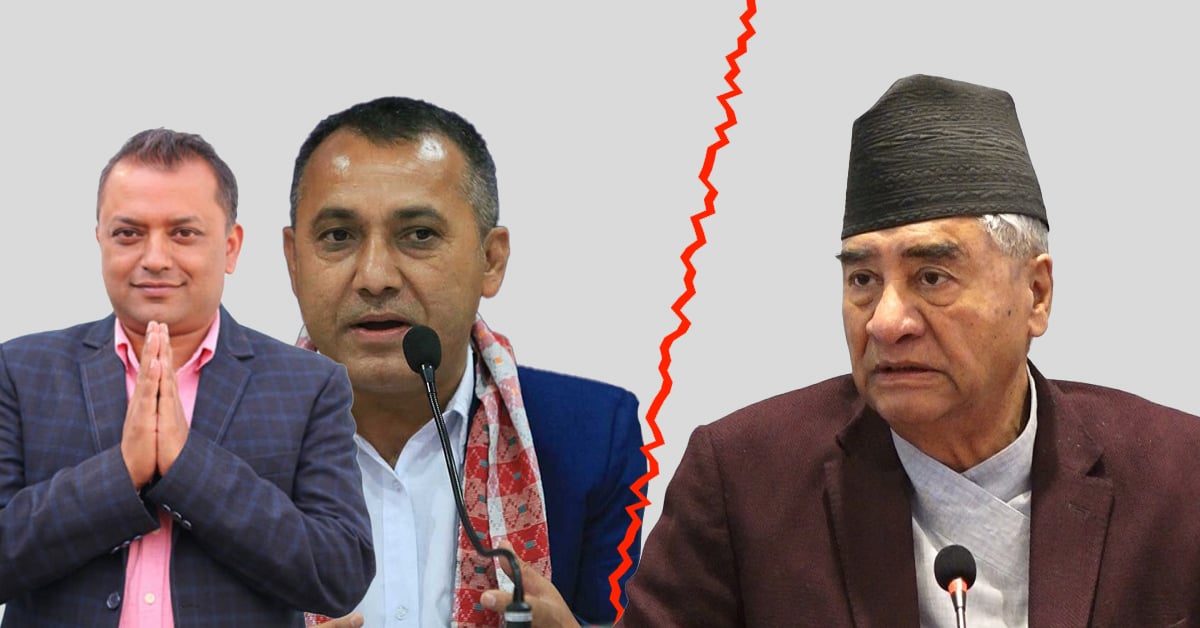
The move comes amid a deepening rift that has been brewing since the Gen-Z movement toppled the previous government, leading to parliamentary dissolution and snap elections scheduled for March 5, 2026. Despite the suspension, Thapa and Sharma attended the ongoing special general convention in Kathmandu’s Bhrikutimandap, where Thapa addressed delegates, claiming his faction holds a “clear majority” and asserting legitimacy. The convention has proceeded to nominate Thapa as the sole candidate for party president, with Sharma and Pradeep Paudel vying for general secretary positions, signaling an irreversible push toward a formal split.
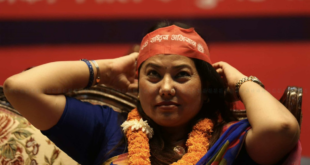
Gagan Thapa’s political standing now stands at a critical juncture. A charismatic, reformist leader who rose from student politics to become a three-time MP from Kathmandu-4 and a former Health Minister, Thapa has long positioned himself as the voice of change within the NC—criticizing outdated leadership, alliance politics, and the need for generational transition. At 49, he embodies youth discontent and progressive ideals, appealing strongly to urban voters, the younger generation, and those frustrated with chronic instability. The suspension strips him of official NC membership, but it paradoxically elevates his status as a rebel leader. Thapa has framed the special convention not as a bid for personal power but as a “rebellion” for party renewal, echoing historical precedents like Girija Prasad Koirala’s maneuvers. With claimed majority support among elected representatives (over 54% demanded the convention), Thapa’s faction appears poised to claim the “true” NC mantle. However, the Deuba group controls the party’s official registration, assets, and symbols, setting up a prolonged legal battle. Thapa’s future hinges on his ability to mobilize grassroots support, secure funding, and navigate court challenges—potentially emerging as a transformative figure like past NC stalwarts, or fading if resources dwindle.
If Thapa and his allies decide to form a new party (or register their faction as the legitimate NC), participation in the upcoming March elections remains feasible—but fraught with hurdles. Nepal’s Election Commission requires new parties to register with at least 10,000 members, a constitution, program, unique name, and symbol. The process can take 1-2 months, leaving limited time before the polls. Historical parallels, such as the 2002 NC split when Deuba formed his own faction, show that both sides can contest elections, often leading to vote division. Thapa’s camp could approach the commission claiming majority delegate support to retain the NC name and torch symbol, while the Deuba faction seeks legal validation. Success depends on swift organization, but risks include court delays, fragmented tickets, and resource constraints. Smaller parties like the Rastriya Swatantra Party (RSP) have recently thrived on anti-establishment sentiment, suggesting Thapa’s youth appeal could capture 10-20% national vote share if momentum builds.
The broader impact on Nepal’s politics could be profound and double-edged. The NC split weakens one of the pillars of democratic stability—the party that has historically provided counterbalance to communist forces like CPN-UML and Maoist Centre. Vote fragmentation in the March elections would likely benefit UML and others, potentially leading to unstable coalitions or a hung parliament amid already fragile governance. The current NC-UML alliance, crucial for national stability, faces immediate strain, especially in upcoming National Assembly elections and provincial dynamics. On the positive side, this rupture injects dynamism into a stagnant system: Thapa’s emphasis on reforms—term limits, transparent funding, inclusive electoral changes, and depoliticizing state institutions—could inspire broader youth engagement and pressure all parties toward accountability. Nepal’s democracy has survived past splits (2002 NC division), but repeated fragmentation risks deepening cynicism and instability.
Also read : MOBOCRACY OVERTAKES WISDOM
Deuba’s faction must reflect on whether rigid discipline preserves unity or accelerates decline; flexibility, as hinted in recent talks, might yet avert total rupture. For Thapa, this is a high-stakes gamble—history will judge whether his “rebellion” revitalizes Nepali democracy or merely adds to its chaos. Unity remains the party’s greatest strength, but genuine reform may now require painful separation. Nepal watches anxiously as the March polls approach, hoping this crisis births renewal rather than ruin.