 Jubilee Post News & Views
 Dr. Utkarsh Sinha
India ranks among the world’s fastest-growing economies, but the wealth inequality hidden behind this growth has become a serious challenge. According to the World Inequality Report, 65% of the country’s total wealth is concentrated in the hands of just 10% of the richest people, while the bottom 50% of the population holds only 6.4%. This imbalance is not only deepening economic divides but also threatening social stability.
Historical Context and Current Statistics
Post-1990s economic liberalization, India witnessed unprecedented growth, but the primary beneficiaries were the top strata. The 2024 World Inequality Lab report reveals that the top 1% population controls 40.1% of wealth, the highest level since 1961. Their income share has risen to 22.6%, surpassing even South Africa, Brazil, and the US. The top 10% captures 58% of national income, while the bottom 50% receives just 15%. These figures clearly show how unevenly growth has been distributed.
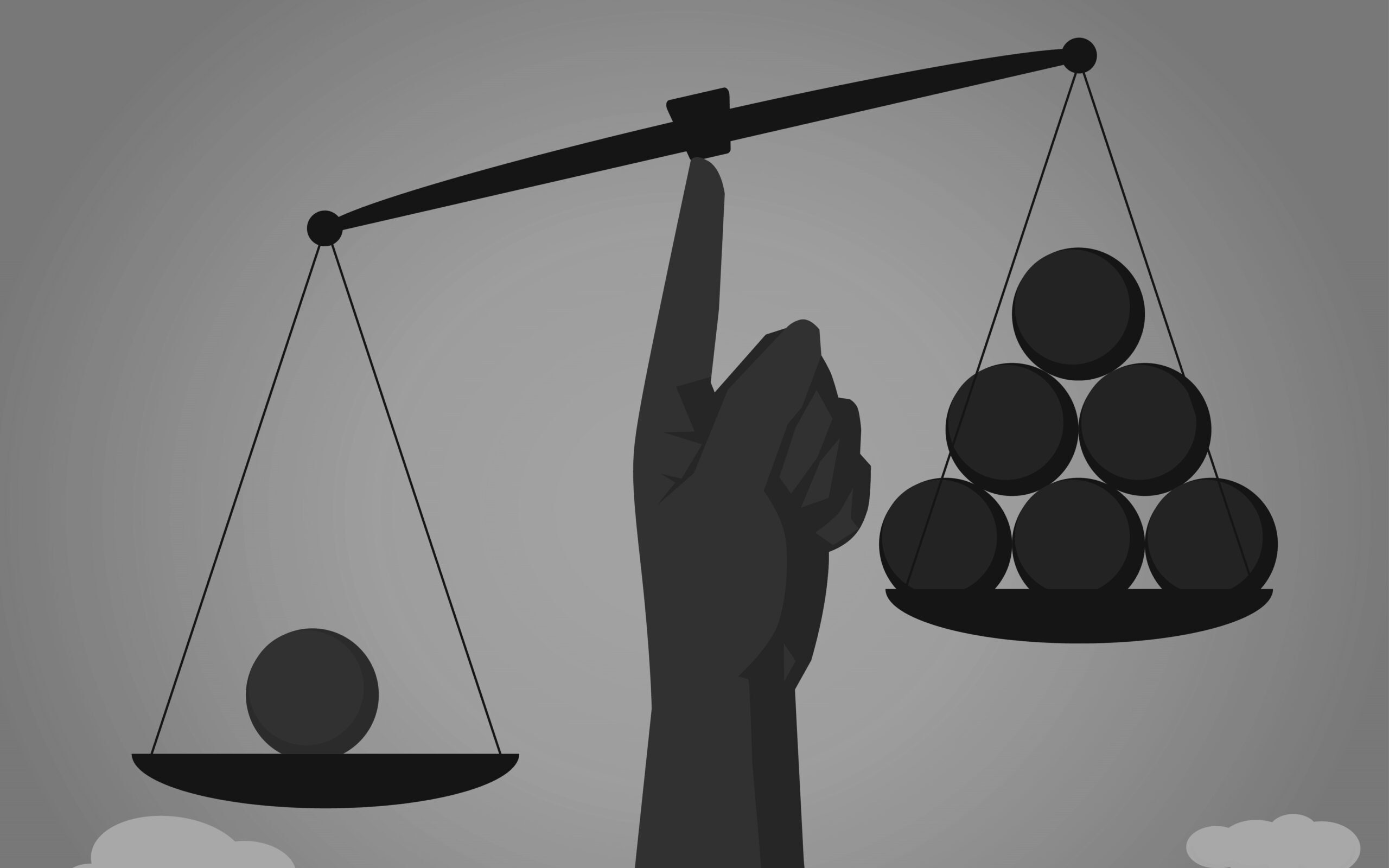
The top 40% of the population controls nearly all wealth, leaving less than 10% for the remaining 60%. Oxfam reports corroborate this, indicating 72-77% wealth with the top 10%. This creates a vicious cycle where the poor remain deprived of savings and investment, while the rich accumulate wealth rapidly.
Gender and Caste Dimensions
A shocking aspect of wealth inequality is the plight of women. Reports state women’s labor force participation at just 15.7-23.3%, among the lowest globally. Recent Periodic Labour Force Surveys show a rise in rural women (from 71.1% to 76.9%), but this stems mainly from economic distress, informal, and unpaid work. Limited formal employment keeps women’s wealth share minimal.
Caste inequality is equally stark. The World Inequality Report notes 88.4% of billionaire wealth belongs to upper castes, with zero representation from Scheduled Tribes. Upper castes control 55% of national wealth. This disparity, the highest since British rule, reflects structural discrimination.
The Dual Face of Economic Liberalization
Liberalization boosted GDP but disproportionately benefited corporates, asset owners, and high earners. Top wealth concentration surged between 2014-2023. A “billionaire raj” has emerged, with 70 new millionaires daily. The low-income trap perpetuates poverty for the bottom class.
This inequality fuels social tensions. Oxfam data shows the bottom 50% (700 million people) holds just 3% of total wealth. Globally, India’s top 1% share is at a historic high.
Policy Solutions and Recommendations
Addressing this crisis demands a progressive tax system. Reports suggest a 2% wealth tax on billionaires could fund social spending. Wealth redistribution, investments in education-health, and skill programs for women are essential. Prioritize formal job creation to boost labor participation.
Link reservations to wealth distribution for caste equity. World Inequality Lab researchers like Thomas Piketty advocate tax reforms. Governments should allocate 6% of GDP to education and 3% to health.
Steps Toward Social Justice
Inequality is not just statistics—it’s a threat to democracy. When 10% holds 65% wealth, the majority’s voice gets silenced. Adopt inclusive policies for sustainable development goals. Political will can transform “billionaire raj” into “democratic raj.”
Civil society, media, and policymakers must unite on this issue. Otherwise, this imbalance risks social unrest. India’s future hinges on inclusive growth.