 Jubilee Post News & Views
 Dr. Utkarsh Sinha
Ramkumari Jhankri’s landslide victory in the National Assembly with a huge majority has brought a new turn in Nepal’s politics. This victory is not only her personal success, but it is strengthening her position in CPN-UML along with presenting a big challenge in youth-centered politics. Especially for Kathmandu’s Mayor Balen Shah (Balen), this has become the biggest challenge, because Balen’s political history is based on struggles, youth movements, and a clear division between “country saviors” and “country burners”. Now in Nepal’s upcoming politics, there is only place for youth, and in this area, Ramkumari Jhankri of UML can emerge as the strongest contender against Nepali Congress’s Gagan Thapa.
Balen Shah has become the symbol of the youth generation in Nepal’s politics. He has kept his journey from rapper to independent mayor and now potential national leader full of struggles. In recent years, especially in the 2025 “Gen-Z Revolt”, where youth took to the streets against social media restrictions and corruption and brought down the KP Sharma Oli government, Balen made himself the most popular face among youth. The matter progressed so far that many campaigns started demanding to push him for the Prime Minister position. Balen’s appeal is based on youth’s frustration, dissatisfaction with traditional parties, and desire for new politics.
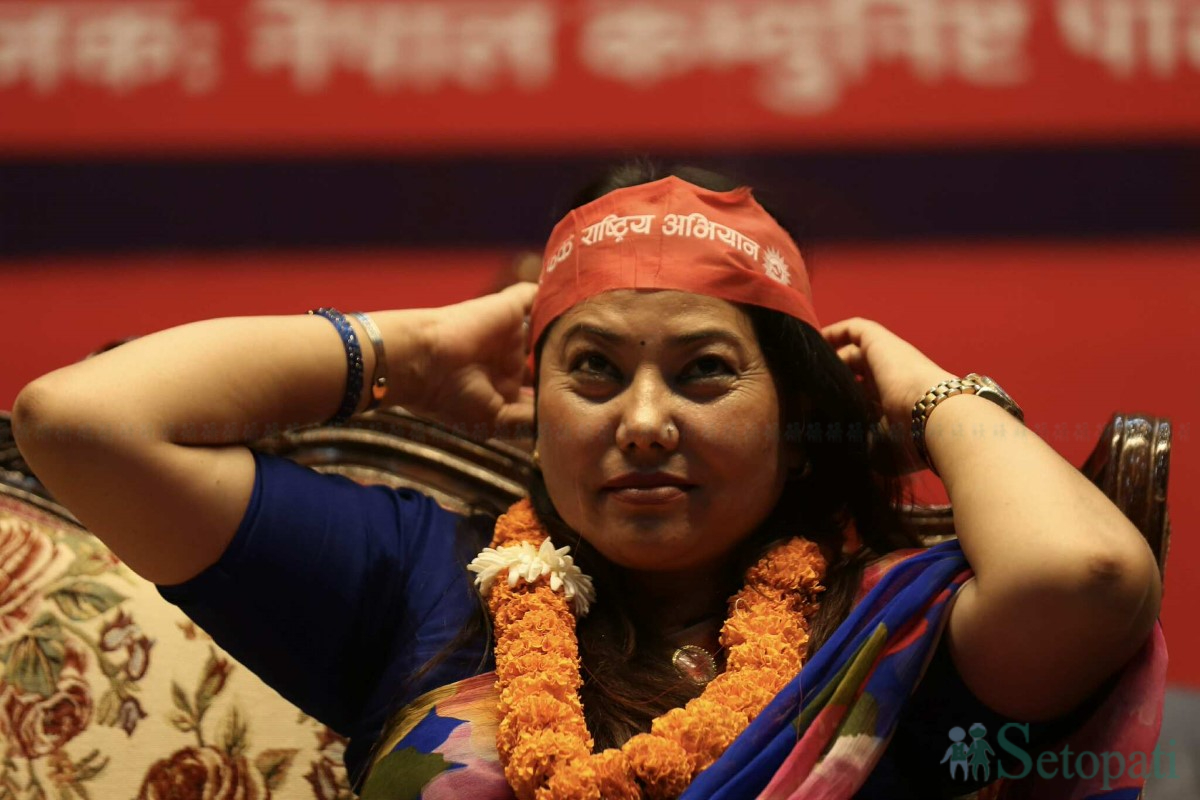
But Ramkumari Jhankri’s National Assembly victory has directly challenged this narrative. Jhankri, who at the age of 46 emerged from student politics to become a major female leader of the communist movement, is now in a strong position after returning to UML. Her victory happened with a huge majority (6,303 weighted votes) from Lumbini Province, where the Nepali Congress-UML alliance won all seats. This victory is a comeback for her—elected to the House of Representatives in 2017, lost in 2022, returned to UML in 2025, and now in the National Assembly. Jhankri’s history is also of struggles: she started from ANNFSU, was vocal on women’s rights, social justice, and economic inequality. But now she is leading youth politics through the mainstream communist party (UML).
Jhankri’s challenge is big for Balen because youth politics is no longer limited to independent or new parties only. Before the 2026 general elections (5 March), the number of youth voters in Nepal is very high, and every party is raising the slogan of “youth leadership” in politics. Balen’s base is youth’s discontent, but Jhankri is now challenging that base by raising youth and women’s issues under UML’s umbrella. She has supported the Gen-Z movement, supported the demand for leadership change, and now in the National Assembly, she is focusing on constitutional stability, law-making, and party policies. Her eloquence and parliamentary experience distinguish her from Balen’s “rapper-mayor” image—she is an experienced, organized, and party-supported youth leader.
In Nepal’s upcoming politics, youth’s place is certain. Traditional parties are pushing forward young faces because the Gen-Z Revolt has proved that without youth support, power is hard to sustain. Here, in Nepali Congress, Gagan Thapa is the symbol of youth leadership. Gagan (46 years) has raised voice on party reforms, anti-corruption, and youth issues. He is the face of “new generation” within the party and has been made a contender for Prime Minister position in recent developments. But Ramkumari Jhankri can now become equivalent to Gagan Thapa in UML. Both are of almost same age, both came from student politics, both are outspoken, and both claim youth-centered narrative. The difference is that Gagan is with Congress’s democratic image, while Jhankri is with communist ideology and UML’s strong organizational power.
Jhankri’s victory will strengthen UML’s youth and women’s wing. She can influence constitutional issues, federalism, and social justice in the National Assembly, which will attract youth. This is a challenge for Balen because his appeal is “against the system”, but Jhankri is now talking about youth change from inside the system. If UML strengthens in the 2026 elections, faces like Jhankri can pull the youth vote bank.
In conclusion, Ramkumari Jhankri’s this victory gave a strong wepon to UML against Balen Shah. Balen’s glamorous politics connects youth, but Jhankri is now becoming the new face of youth leadership in organized politics. The era of youth has started in Nepal’s politics, and in it, Ramkumari’s place becomes the strongest against Gagan Thapa. This competition will determine Nepal’s future—whether youth will choose independent voices or new leadership in mainstream parties.
(Author is a senior journalist and expert of International politics)