 Jubilee Post News & Views
 Dr. Utkarsh Sinha
Vladimir Putin’s visit to India is an attempt to reset the India-Russia strategic partnership for the next decade, with concrete agreements expected on defense, energy, nuclear cooperation, trade, and technology. This visit also provides India with a strong argument and alternative options to reinforce its stance of “strategic autonomy” amidst pressure from the US and the West, helping to balance that pressure, but not entirely eliminating it.
Timing, Symbolism, and Politics
Putin arrived in New Delhi on December 4-5, 2025, for the 23rd India-Russia annual summit, his first visit to India after a four-year hiatus, and also marking 25 years of the India-Russia strategic partnership. A private dinner, a tribute at Rajghat, a state banquet hosted by the President, and formal summit talks at Hyderabad House—all indicate that Delhi and Moscow want to maintain this relationship not just superficially, but at the level of a “special and privileged strategic partnership.”
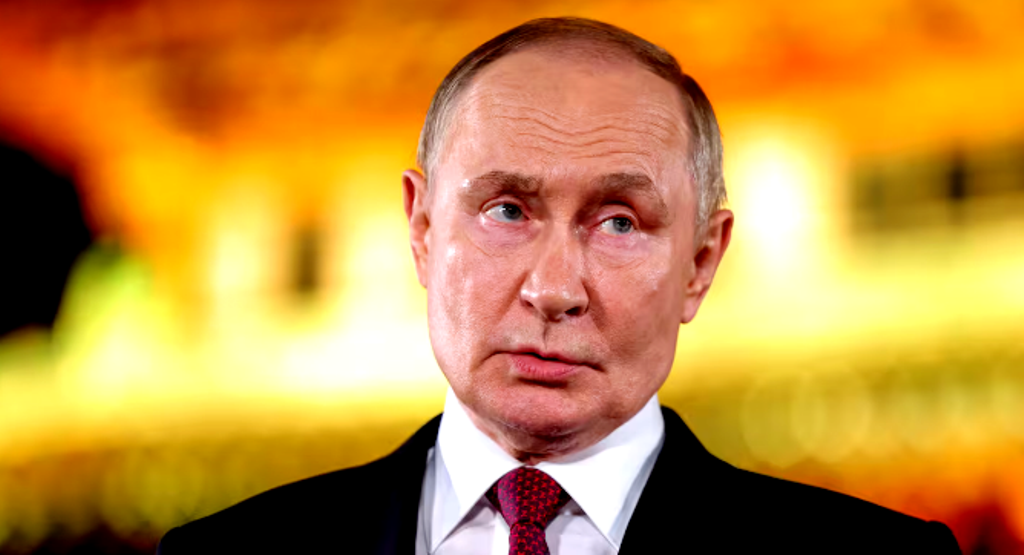
Since the Ukraine war, Putin has faced significant ostracism in Western capitals, making Delhi’s hosting a diplomatic lifeline for Moscow and a message from India that it will continue its independent foreign policy despite Western pressure.
Defense and Security
Russia remains India’s largest defense supplier—from S-400s, BrahMos missiles, Sukhoi-30 MKI aircraft, and T-90 tanks to joint production and technology transfer, the entire framework is in place. This time, the focus is on two things: firstly, the delivery and servicing of existing systems (S-400s, spare parts, maintenance), and secondly, more co-production under “Make in India,” such as the manufacturing of missiles, ammunition, engines, etc., in India, to prevent future supply chain disruptions due to Western sanctions. The Russian parliament has approved the RELOS (Reciprocal Exchange Logistics Agreement-like agreement) in a timely manner, allowing the navies of both countries to use each other’s facilities for fuel, repairs, and logistics, which could enhance India’s reach in both the Indo-Pacific and the Arctic.
Energy and Oil & Gas
Since the Ukraine war, Russia has become India’s largest supplier of crude oil, and discounted oil has provided a significant buffer to India’s current account and inflation; this trend can be further strengthened through long-term contracts and payment mechanisms (rupee-ruble or alternative currencies).
Separate MOUs and long-term contracts are also possible on gas, LNG, coal, and fertilizer supplies to ensure affordable supplies during India’s energy transition.
Nuclear Energy and Technology
The Kudankulam plant in Tamil Nadu is India’s only nuclear power plant built in collaboration with another country, and the India-Russia joint statement considers it a cornerstone of future cooperation. Besides new units, discussions are also possible on “Small Modular Reactors” (SMRs) and the fuel cycle and non-power applications, which could support India’s low-carbon energy goals.
Trade, Connectivity and New Economy
The imbalance in India-Russia trade (India’s significant trade deficit) is a major concern, therefore a roadmap like the “Program for Strategic Economic Cooperation by 2030” is proposed, which will guide increased partnerships in manufacturing, pharmaceuticals, agro-processing, arms manufacturing, and unconventional sectors.
Also Read : If These Questions Are Not Raised in Parliament, Then Where ?
Also Read : Pakistan: Power, Military Role, and Threat of Fragmentation
The International North-South Transport Corridor (INSTC), the Arctic route, and Indian investments in the Russian Far East—these three are key points that will give India a strategic economic presence in Central Asia, Europe, and the Northern Sea Route, on which new agreements and project-specific announcements may be made during this visit.
Discussions on financial payment systems will also be crucial. Interoperability between Russian “Mir” cards and Indian RuPay, linking national payment systems, and alternatives that reduce dependence on the dollar can mitigate the risks of CAATSA and other financial sanctions.
Digital technology, space (Russian cooperation in Gaganyaan), and cybersecurity are also being identified as key areas for future cooperation.
US Pressure and India’s “Relief”
The main US pressure is on two fronts—the purchase of Russian weapons (especially the S-400) and large-scale imports of discounted Russian oil, which remain under the shadow of laws like CAATSA. This visit provides India with three types of “help” in navigating US-Western pressure:
Alternative Capabilities and Leverage
If India receives long-term guarantees of affordable energy, critical weapon spares, and co-production from Russia, it has real alternatives; this prevents India from being in a “no-option” situation when dealing with the US and increases its bargaining power.
Russia is giving India more space in joint R&D and manufacturing, which can accelerate India’s defense self-reliance compared to Western suppliers; this is something Washington also has to consider.
Political Message and Strategic Autonomy
When the West’s “isolation narrative” amidst the Ukraine war is seen to transform into open summits, military logistics agreements, and energy contracts with a large democracy like India, it signals that the global order is multipolar and the US is not the sole rule-maker.
If India maintains this level of engagement with Russia while continuing its QUAD and Indo-Pacific cooperation with the US, its policy of “dual alignment” is once again validated; this will also put pressure on Washington.
(Author is senior journalist and expert of International Relations)