 Jubilee Post News & Views
A.I. Kavitha
In a tense standoff that echoes the volatile political history of Pakistan, heavy contingents of police and paramilitary forces were deployed outside the Islamabad High Court (IHC) on Tuesday as supporters of jailed former Prime Minister Imran Khan announced a major march demanding access to their leader. The Pakistan Tehreek-e-Insaf (PTI) party, led by figures including Khan’s sisters and senior lawmakers, vowed to proceed despite the imposition of Section 144, a colonial-era law banning public gatherings, and the sealing of key roads leading to Adiala Jail, where Khan has been incarcerated since August 2023.
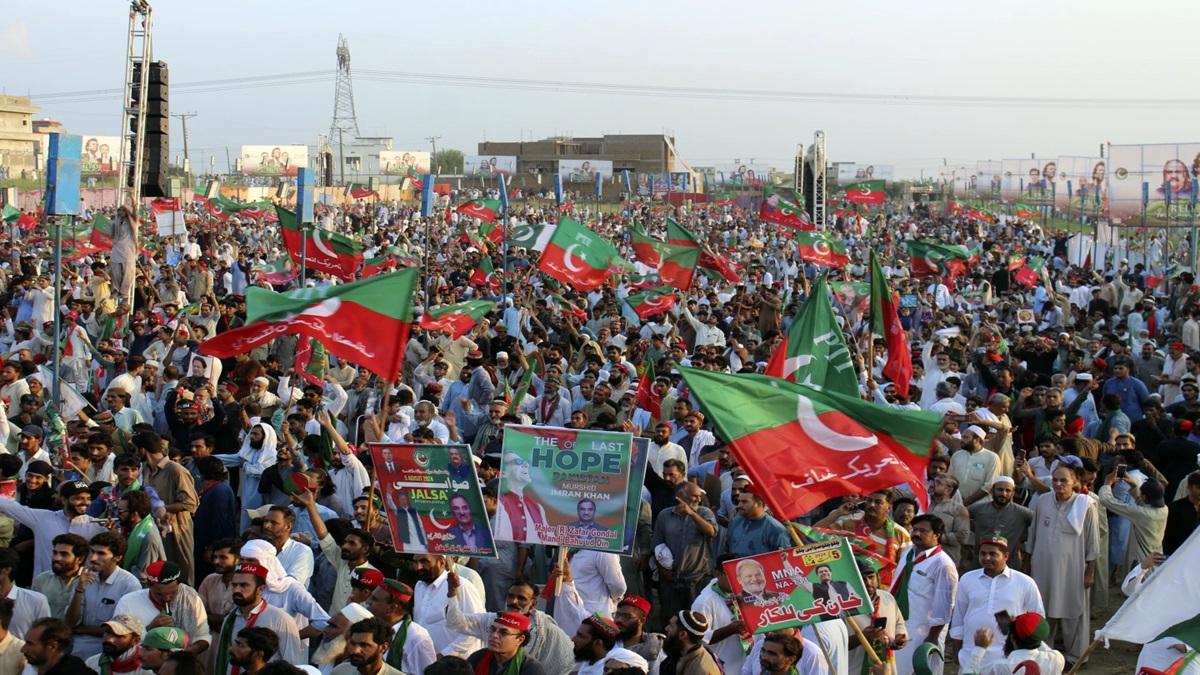
The protests, billed as “peaceful demonstrations,” stem from escalating concerns over Khan’s health and alleged violations of court orders allowing family visits. PTI leaders, including Asad Qaiser and Khyber Pakhtunkhwa Chief Minister Ali Amin Gandapur, accused the jail administration of contempt of court by denying access for weeks, fueling unverified rumors of Khan’s deteriorating condition or even his death—claims swiftly dismissed by government officials as “baseless.” “This is blatant contempt of court,” Qaiser told reporters, outlining plans for lawmakers from both houses of Parliament to assemble at the IHC before marching to Adiala Jail.
Authorities responded swiftly, enforcing Section 144 across Islamabad and Rawalpindi, deploying thousands of personnel, and blocking access routes with shipping containers and barricades. Interior Minister Mohsin Naqvi warned of “extreme measures” to prevent unrest, while reports emerged of a potential shoot-at-sight order in response to the gathering crowds. As of midday, minor skirmishes were reported near the court premises, with police using tear gas to disperse small groups of PTI activists chanting slogans for Khan’s release. No major casualties have been confirmed yet, but the atmosphere remains charged, with Khan’s family leading a parallel sit-in outside the jail.
This latest escalation is part of a long pattern of confrontations between PTI supporters and the state, rooted in Khan’s ouster via a no-confidence vote in April 2022, his subsequent arrests on corruption and terrorism charges, and allegations of election rigging in the February 2024 polls. Over the past two years, PTI has repeatedly mobilized street protests, often met with heavy-handed crackdowns, internet shutdowns, and mass arrests—tactics that have become hallmarks of Pakistan’s polarized political landscape.
A History of Clashes: Past PTI Protests in Islamabad
PTI’s history of mass mobilizations in the capital has frequently turned violent, drawing parallels to today’s events. These protests, often centered on demands for Khan’s release and judicial independence, have disrupted daily life, strained security resources, and deepened rifts between the opposition and the military-backed government.
- May 9, 2023 Riots: Following Khan’s brief arrest on graft charges, PTI supporters unleashed widespread violence across Pakistan, including in Islamabad. Mobs attacked military installations, the Lahore Corps Commander’s residence, and government buildings, leading to over 2,000 arrests and at least 10 deaths. An anti-terrorism court later linked Khan to inciting the unrest, sentencing dozens of PTI leaders to prison terms in 2025. The riots marked a turning point, with PTI denying orchestration but facing accusations of fueling anarchy.
- October 4-5, 2024 “Haqeeqi Azadi” March: Thousands of PTI workers marched on Islamabad’s D-Chowk, defying Section 144 imposed ahead of the Shanghai Cooperation Organisation summit. Heavy rain diluted tear gas efforts, but clashes injured over 80 police officers. The government cut internet services and deployed the army, resulting in one officer’s death and hundreds of detentions. Khan, from Adiala Jail, framed it as a stand against “stolen elections.”
- November 24-27, 2024 “Final Call” Protest: Dubbed Khan’s “last warning,” this four-day sit-in led by his wife Bushra Bibi and Gandapur saw convoys from across Pakistan converge on the capital. Protesters breached barricades to reach D-Chowk, but a midnight security operation dispersed them with tear gas and batons. Official reports cited four security personnel killed in a vehicle ramming incident, while PTI claimed up to 20 civilian deaths from alleged gunfire—figures disputed by authorities. Over 4,000 arrests preceded the event, and the Islamabad High Court deemed it unlawful. The protest ended in suspension amid accusations of a “slaughterhouse” setup by the state.
- February 8, 2025 Election Anniversary Demonstrations: Marking the disputed 2024 polls, PTI and allies like Jamiat Ulema-e-Islam-Fazl staged rallies in Islamabad and other cities. Section 144 was again invoked, leading to preemptive arrests of scores of leaders. Protests decried military interference, with PTI alleging vote-rigging favored the PML-N coalition.
- August 5, 2025 Two-Year Imprisonment Anniversary: Nationwide protests commemorated two years of Khan’s detention, with heavy security outside Adiala Jail involving 4,000 personnel. Over 300 PTI activists were arrested in midnight raids, and gatherings were banned from August 5-10. Echoing May 9, demonstrators waved party flags in Lahore and Peshawar, but Islamabad remained locked down.
These incidents have not only resulted in fatalities and injuries but also economic fallout, with businesses shuttered and motorways closed during peak unrest. PTI accuses the establishment of using force to suppress dissent, while the government blames the party for provoking chaos and endangering public safety.
Broader Implications for Pakistan’s Fragile Democracy
Today’s march at the IHC underscores ongoing tensions over Khan’s isolation, with his family reporting no contact since mid-November despite court mandates. PTI spokesperson Zulfiqar Ali Bukhari described the restrictions as evidence of the regime’s “oppressive nature” and fear of Khan’s enduring popularity. As opposition lawmakers prepare to defy the ban, analysts warn of potential escalation, drawing uncomfortable parallels to the 2014 Azadi March—Khan’s 126-day sit-in that paralyzed Islamabad without violence but reshaped politics.
With motorways shut and digital surveillance ramped up, the government appears determined to contain the protests. Yet, as PTI vows weekly Tuesdays of action, the cycle of mobilization and repression shows no signs of abating. For Pakistan’s 240 million citizens, caught between fervent support for Khan and fears of instability, the question remains: will this march force accountability, or fuel another chapter in the nation’s turbulent saga?